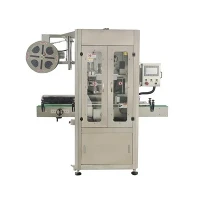
As core equipment of efficient and precise liquid filling in modern industry, bottling machine is widely used in food and beverage, daily chemical industry, pharmaceutical industry, chemical industry, pesticide, lubricating oil and so on. As technology advancements, these applications are expanding into higher value-added industries. Here is an analysis of their specific application scenarios and core value proposition:
1.Food and Beverage Industry: A Model of Automation and Flexibility
Bottled Water and juice
Uses: Fill mineral water, pure water, juice and other low-viscosity liquids.
Technical features: Filling accuracy of up to + -0.5 per cent utilizing flowmeter or gravity measurement, up to 20,000 bottles per hour (e.g., a mineral water production line).
Case study: A juice production line uses pressure-filling technology to fill 3,000 bottles per hour with accuracy + -0.5%, while also accommodating bottles of all sizes (100ml-2L).
Fizzy Beveragess
Purpose: Fill carbonated beverages, soda water, etc. Technical features: Isobaric filling technology to prevent carbon dioxide loss, ensure a stable carbonation content per bottle (e.g. 4.5g/L), and improve taste consistency by 30%.
Case study: soda production has a capacity of 6000 bottles per hour through pressure control and can hold between 100-600ml and 600ml of bottled drinks.
Seasoning and soy sauce
Uses: Fill ketchup salad dressing dressing pot base base and other high-viscosity materials.
Technical features: The development of thermal or vacuum bottling can inhibit microbial growth (e.g., extending the shelf life of ketchup to 18 months), filling up to 120 bottles per minute (5-200ml).
Case study: A ketchup company uses hot filling technology to maintain the temperature above 85 degrees Celsius while preventing backflow.
ii. Daily Chemical Industry: Double Guarantee of Precision and Hygiene
Shampoo and Shower Gel
Purpose: Flowmeter filling for large packagings (e.g. 500ml-1L). Technical features: combined with the anti-leakage design, the drip rate been reduced from 3% to 0.1%, saving more than 1 million yuan a year in raw material costs.
Case study: A detergent company achieved a production capacity of 4,000 bottles per hour by optimizing the filling valve structure compatible with glass and plastic bottles.
Fragrances and Perfumes
Purpose: Contamination-free and bubble-free filling small batch, high value products (e.g. 5-50ml).
Technical characteristics: utilizing micro-negative pressure filling technology, the filling time of each bottle is shortened to 2 seconds, preventing liquid oxidation.
Case study: serum production line uses a servo motor to drive filling pump, realize precise control of 0.05 mL of single drop, and ensure the safety of medication.
III. Pharmaceutical industry: benchmarks for compliance and high Precision
Oral Liquids and injections
Purpose: Aseptic filling needs meets GMP standards and FDA certification.
Technical characteristics: The microorganism contamination rate contamination rate than less than 0.001% filling accuracy filling accuracy 0.01 ml by laminar flow purification technology. Case study: A aseptic bottling line at a pharmaceutical plant is controlled in a class 100 cleanroom environment with a capacity of 3,000 bottles per hour and a capacity of 2 to 250ml vials.
granules and powders
Usage: Used for filling powder materials such as pharmaceutical granules and milk powder.
Technical features: vacuum filling technology is utilized to prevent dust spillage while maintaining ± 1% accuracy.
Case study: a pharmaceutical factory used custom piston filling head, 5g to 500g granule accurate filling.
IV. INTRODUCTION Chemical and Pesticide Industry: Corrosion and Explosion Resistance Design
Lubricants and cleansers
Purpose: Fill with corrosive materials (such as detergents and lubricants).
Technical features: the use Hastelloy filling valves, equipment life from 3 to 8 years, reduced maintenance costs by 60%.
Case study: A chemical company adjusts the caliber of its filling valve to fit from a 100ml vial to 200L drums. Alcohol and solvents
Application Scenario: Filling with flammable and explosive materials.
Technical features: with anti-static devices and inert gas protection (e.g. nitrogen filling), the explosion risk is reduced by 90%.
Case study: A paint production line was nitrogen filling and reached a production capacity of 2,000 bottles per hour, in compliance with safety regulations.
V. Emerging Field: wisdom and green convergence.
IoT integration
Application Scenario: Real-time monitoring of filling volume, equipment status, remote monitoring and predictive maintenance.
Case study: the company's smart filling system reduced device failure response time from 2 hours to 10 minutes, reducing downtime losses by $2 million per year.
AI Optimization Algorithm
Application Scenario: Analyze historical data by machine learning and adjust filling parameters automatically.
Case study: a beverage factory uses artificial intelligence algorithm to optimize filling speed and accuracy, improving overall efficiency by 15% and reducing energy consumption by 12%.
Environmentally Friendly Materials
Application Scenario: Promotion of biodegradable packaging containers and low volatile organic compounds (VOCs) low-VOC filling processes. Case in point: A consumer chemicals company has reduced its product's carbon carbon footprint 40 40% using plastic bottles and cold filling technology.
What Are The Applications Of Bottle Filling Machines?
Oct 15, 2025
Leave a message
You Might Also Like