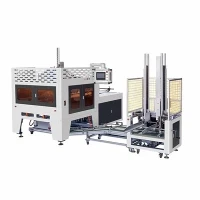
Although the operation of filling machines varies due to their types and configurations, they mainly involve key links such as material supply, precise control, filling process and the final sealing stage. The following describes the working mechanism and method of the grouting machine in depth:
1. Provide various materials and resources
The filling equipment transfers the components to be injected (such as liquid, powder and particle size) to the filling area through a material supply device such as a liquid storage barrel and a vibrating feeder. This process ensures that the materials are continuously and stably transferred to the filling instrument.
Part 2 About Measurement Management
During the filling process, the filling equipment is responsible for accurately calculating the amount of material to ensure that the material content inside meets the previously set standards and requirements. Metering control is usually implemented through the following strategies and methods:
The piston metering system is driven by a cylinder, extracting and outputting materials through the reciprocating action of the piston, and relying on a one-way valve to control the direction and direction of the material flow. The system also accurately adjusts the dynamic range of the cylinder through the application of magnetic reed switching or signal valves, thereby accurately controlling the filling amount.
The billing method of flow meter is as follows: flow meter can be used to continuously monitor the flow of materials and automatically adjust the supply rate of materials according to the predetermined bottling needs.
In the application of digital measurement, we use electronic sensor technology to strictly measure the material, such as its weight and volume, and then compare the measurement results with the preset standards, and then use the management system to adjust the filling quantity.
The third part focuses on the process of filling operation
After being guided and controlled by econometrics, the materials will be transported to the filling plant. As the core component of the filling machine, the filler has the key responsibility to ensure that various materials can be carefully loaded into the container. The filling process usually covers several key links:
The positioning step of the container: using conveyor belts, robotic arms or other special positioning tools to ensure that the container is correctly moved to the required position for bottling and ensure that the container is placed in the correct direction.
The sinking process of the filling head: initially, the filling head or its nozzle will fall to the opening of the container, and then the preliminary preparation stage of filling will begin.
Under the guidance of the control system and the guidance of the operator, the front end of the filling begins to transfer the material in the container. This process may not be continuous, but may be intermittent, and its detailed implementation depends on the type and layout of the filling machine.
Filling head lifting function: When the filling process is completed, the device will rise from the place where the container is opened to prepare for the next container sealing activity.
Fourth point, about sealing and subsequent steps
For specific containers that need to be sealed, such as mobile storage tanks and capsules, sealing is generally performed after the filling process. When selecting the sealing method, you should consider the type of material or container type, such as screw-on caps, compacted caps and heat seals. When the sealing operation is completed, the container will be transported to the next process for further manufacturing, such as labeling or packaging.
Five, be sure to ensure environmental hygiene and maintenance
After the task is successfully completed, the filling machine must be cleaned and maintained as necessary to ensure its stable operation at work and extend its service life. This involves cleaning the material tank area, filling valves and various transmission pipelines to remove residual substances and environmental pollution; reviewing the operating status of electronic components; replacing damaged parts and other related products.
From a macro perspective, the operation process of filling equipment covers many links, such as material distribution, precise metering control, filling process and subsequent sealing and handling. There is close collaboration between these links to ensure that the entire filling process from material supply to final product sales can be completed smoothly.
How Does A Filling Machine Work?
Dec 01, 2024
Leave a message
You Might Also Like