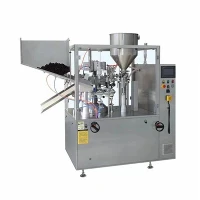
Bathball production equipment (also known as bath flower, bath ball) can be divided into small manual equipment and industrial production line equipment according to the scale of production and automation. The following is a detailed description of major equipment and its uses:
I. Core production equipment
Loom (weaving machine)
Purpose: To weave the main mesh structure of a bath ball, usually using materials such as nylon, polyester or polypropylene.
Type:
Small manual loom: suitable for home or small workshop, using manual or simple electrical equipment to weave webbing, low cost, high efficiency.
Automatic net loom: industrial grade equipment, can weave common net cloth at high speed, support multi-color mixing, high efficiency, even mesh.
Chopper (cloth cutter)
Purpose: The woven mesh fabric is cut into regular size strips or flakes for subsequent processing.
Type:
Manual cutting tools: such as scissors, circular knife, suitable for small-batch production.
Automatic cutting machine: equipped with CNC system, can accurately cut large area of fabric, suitable for large-scale production.
Forming machine (ball mold equipment)
Purpose: Secure the cut mesh fabric into a spherical structure.
Method:
Manual molding: The fabric is wound by hand around a mold,such as a spherical frame, and then secured with a rubber band or wire.
Automatic Forming Machine: Industrial equipment can automatically fold and curl the fabric into a ball and set the initial shape.
Knotting machine / suture equipment
Purpose: To fix the mesh structure of bath ball and prevent its diffusion.
Type:
Manual knotting tools, such as crochet hooks and knotters, used for manually knotting the intersection of grids.
Automatic knotting machine: using robotic arm or ultrasonic welding technology quickly fix the mesh knot, high efficiency, strong.
Sewing machine: Some processes involve stitching the edges of the fabric into a closed sphere.
ii. Auxiliary equipment
Material separator / wire rack
Usage: Combing and distributing fiber material (such as nylon yarn) to ensure uniform feeding during weaving and avoid winding and knotting.
Tractor/winder
Purpose: Drag fabric during weaving, control weaving speed, and involve finished product in drum storage or transportation.
Dyeing equipment (optional)
Usage: If you need to produce colored bath ball, you can have dyeing cylinder or roller for dyeing fiber raw material or finished fabrics.
Packaging equipment
Purpose: Packaging of finished bath ball, such as plastic bag packaging, card packaging etc.
Type: manual sealing machine, automatic bagging machine, shrinkage film packaging machine, etc..
III. Differences between small-scale and industrial production equipment
Key equipment features
Home/small workshop Manual weaving machine, scissors, manual knotter, simple moulds low cost (thousands of dollars), flexible but inefficient, suitable for trial or custom production.
Semi-automatic looms, electric cutting machines and automatic knotting machine machines in small and medium-sized factories cost tens of thousands to hundreds of thousands of yuan, have a high production capacity (thousands to tens of thousands of pieces per day) and require only a small amount of manual operations.
Large production line fully automatic weaving-molding-packaging integration equipment Costs hundreds of thousands of yuan, high degree of automation, production capacity of up to 100,000 pieces perday, suitable for large orders.
4. Other considerations
Raw material selection: nylon yarn (wearable), polyester yarn (soft), some equipment needs to adapt to the thickness and elasticity of the fiber.
Mold customization: The size (e.g., 10cm diameter, 15cm) and shape (round, elliptical) of bath balls need to be adjusted through the parameters of the mold or molding machine.
Environmental requirements: If the dyeing process are involved, attention should be paid to wastewater treatment and environmental compliance.
Abstracts
The core equipment for making bath ball is built around the process ofweaving → cutting → molding → fixing, which enables production from small hand tools to fully automated production lines. Entrepreneurs can choose equipment based on budget and productivity requirements. In the early stages, they can scale up from low-cost manual devices to automated ones.
What Equipment Do You Need To Make A Bath Ball?
Jun 01, 2025
Leave a message
You Might Also Like