

In the dynamic landscape of modern manufacturing, the ability to adapt to diverse packaging requirements is a crucial factor for businesses aiming to stay competitive. As a leading packaging machine supplier, we understand the significance of flexibility in packaging machines when it comes to changing packaging styles. This blog post will delve into the concept of flexibility in packaging machines, exploring its importance, the factors that contribute to it, and how our range of machines, such as the DPP-160 Automatic Blister Packing Machine, DPP-250 Automatic Blister Packing Machine, and Automatic Continuously Suppository Production Line, exemplify this flexibility.
The Importance of Flexibility in Packaging Machines
Flexibility in packaging machines refers to the ability to easily and efficiently switch between different packaging styles, sizes, and materials. In today's market, consumer preferences are constantly evolving, and product manufacturers need to be able to respond quickly to these changes. A flexible packaging machine allows businesses to meet these changing demands without the need for significant capital investment or downtime.
One of the key benefits of a flexible packaging machine is the ability to reduce waste. By being able to adjust the packaging size and style to match the product, businesses can minimize the amount of excess packaging material used. This not only helps to reduce costs but also has a positive impact on the environment.
Another advantage of flexibility is the ability to increase production efficiency. A packaging machine that can quickly switch between different packaging styles can reduce changeover times, allowing for more products to be packaged in a shorter period. This can lead to increased productivity and profitability for businesses.
Factors Contributing to Flexibility in Packaging Machines
Several factors contribute to the flexibility of a packaging machine. These include the machine's design, the control system, and the availability of interchangeable parts.
Machine Design
A well-designed packaging machine should be modular in nature, allowing for easy customization and adaptation. Modular design means that the machine can be easily disassembled and reconfigured to accommodate different packaging styles and sizes. This allows businesses to quickly and cost-effectively adapt to changing market demands.
For example, our DPP-160 Automatic Blister Packing Machine and DPP-250 Automatic Blister Packing Machine are designed with a modular structure. This allows for easy adjustment of the forming, sealing, and cutting stations, making it possible to package a wide range of products in different blister sizes and shapes.
Control System
The control system of a packaging machine plays a crucial role in its flexibility. A modern control system should be user-friendly and allow for easy programming and adjustment of the machine's settings. This enables operators to quickly change the packaging style, size, and speed without the need for extensive technical knowledge.
Our packaging machines are equipped with advanced control systems that offer intuitive touchscreen interfaces. These interfaces allow operators to easily input the required packaging parameters, such as blister size, sealing temperature, and cutting length. The control system then automatically adjusts the machine's settings to ensure accurate and consistent packaging.
Interchangeable Parts
The availability of interchangeable parts is another important factor in the flexibility of a packaging machine. Interchangeable parts allow for quick and easy replacement of worn or damaged components, as well as the adaptation of the machine to different packaging requirements.
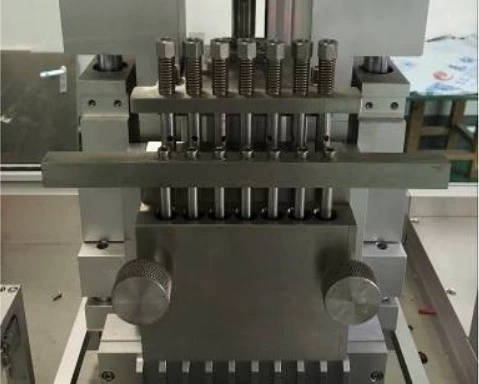
For instance, our Automatic Continuously Suppository Production Line is designed with interchangeable molds. This allows for the production of suppositories in different shapes and sizes, simply by changing the mold. The interchangeable molds can be easily installed and removed, minimizing downtime and increasing production efficiency.
Examples of Flexibility in Our Packaging Machines
To illustrate the flexibility of our packaging machines, let's take a closer look at some of our products.
DPP-160 Automatic Blister Packing Machine
The DPP-160 Automatic Blister Packing Machine is a versatile machine that can be used to package a wide range of products, including pharmaceuticals, food, and consumer goods. The machine is capable of forming, sealing, and cutting blisters in various shapes and sizes.
The adjustable forming station allows for the creation of blisters with different depths and shapes, while the sealing station can be adjusted to accommodate different sealing materials. The cutting station can also be easily adjusted to cut the blisters to the desired size. This makes the DPP-160 a highly flexible machine that can be adapted to meet the specific packaging requirements of different products.
DPP-250 Automatic Blister Packing Machine
Similar to the DPP-160, the DPP-250 Automatic Blister Packing Machine offers a high degree of flexibility. It is designed for high-speed production and can handle larger blister sizes.
The DPP-250 features a servo-driven system that provides precise control over the forming, sealing, and cutting processes. This allows for accurate and consistent packaging, even at high speeds. The machine also has a user-friendly control panel that makes it easy to adjust the settings for different packaging styles.
Automatic Continuously Suppository Production Line
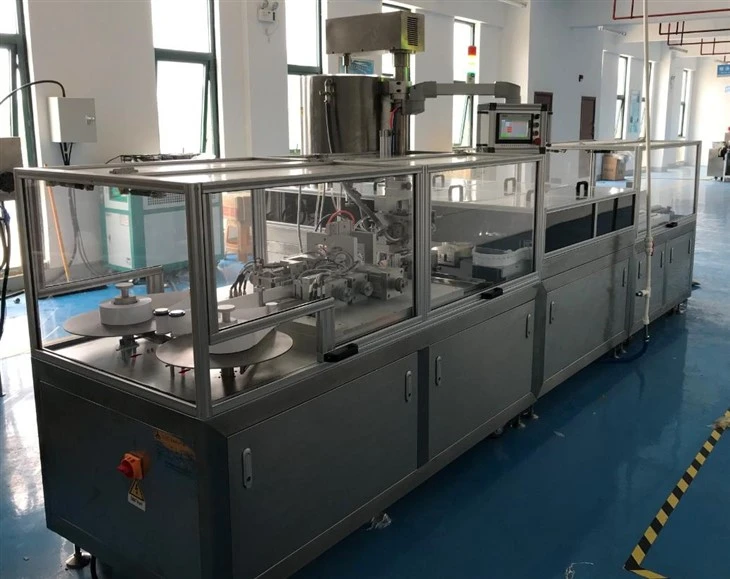
The Automatic Continuously Suppository Production Line is a fully automated system that can produce suppositories in large quantities. The line is designed with flexibility in mind, allowing for the production of suppositories in different shapes and sizes.
The interchangeable molds mentioned earlier are a key feature of this production line. In addition, the line can be easily adjusted to accommodate different types of suppository materials, such as wax, glycerin, and gelatin. This makes the Automatic Continuously Suppository Production Line a valuable asset for pharmaceutical manufacturers looking to meet the diverse needs of their customers.
Conclusion
In conclusion, the flexibility of a packaging machine is a critical factor in the success of modern manufacturing businesses. A flexible packaging machine allows for quick adaptation to changing market demands, reduces waste, and increases production efficiency. At our company, we are committed to providing our customers with the most flexible and reliable packaging machines on the market.
Our DPP-160 Automatic Blister Packing Machine, DPP-250 Automatic Blister Packing Machine, and Automatic Continuously Suppository Production Line are just a few examples of our commitment to providing flexible packaging solutions. If you are interested in learning more about our products or discussing your specific packaging requirements, please feel free to contact us. We look forward to the opportunity to work with you and help you meet your packaging needs.
References
- Smith, J. (2020). The Importance of Flexibility in Packaging Machines. Packaging World.
- Johnson, A. (2019). Factors Affecting the Flexibility of Packaging Machines. Journal of Manufacturing Technology.
- Brown, C. (2018). How to Choose a Flexible Packaging Machine. Manufacturing Today.