

Hey there! I'm a supplier of column desiccant feeders, and I know how frustrating it can be when these machines start acting up. But don't worry, I've got your back. In this blog, I'll walk you through how to troubleshoot some common problems in a column desiccant feeder.
1. Feeding Issues
One of the most common problems you might encounter is feeding issues. This could mean that the desiccant isn't being fed at the right rate, or it's not being fed at all.
Low or No Feed Rate
If you notice that the feed rate is low or there's no feed at all, the first thing you should check is the hopper. Make sure there's enough desiccant in it. Sometimes, the desiccant can bridge or clog in the hopper, preventing it from flowing down to the feeder. You can try gently tapping the hopper to break up any clogs.
Another possible cause could be a blockage in the feeding tube. Inspect the tube for any debris or desiccant buildup. If you find a blockage, you can use a small brush or a compressed air gun to clear it out.
Also, check the feeder motor. If it's not running properly, it won't be able to feed the desiccant. Look for any signs of damage or overheating. If the motor seems to be the problem, it might need to be repaired or replaced.
Inconsistent Feed Rate
An inconsistent feed rate can be a real headache. This could be due to a worn-out or damaged feeder mechanism. Check the feeder's auger or screw for any signs of wear. If it's worn, it might need to be replaced.
The speed control settings could also be off. Make sure the speed control is set correctly for the type and amount of desiccant you're using. You may need to adjust it a few times to get the right feed rate.
2. Moisture in the Desiccant
Moisture in the desiccant can reduce its effectiveness and cause problems with the feeding system.
Signs of Moisture
You can tell if the desiccant has absorbed moisture if it starts to clump together or if it loses its ability to absorb more moisture. If you notice these signs, it's time to take action.
Causes of Moisture
One common cause of moisture in the desiccant is improper storage. Make sure the desiccant is stored in a dry environment, away from humidity. Also, check the seals on the hopper and the feeding system. If there are any leaks, moisture can get in.
Another cause could be a problem with the drying process. If the desiccant isn't being dried properly before it's fed into the system, it will still contain moisture. Check the drying equipment to make sure it's working correctly.
Solutions
If the desiccant has absorbed moisture, you can try drying it out. You can use a desiccant dryer or place the desiccant in an oven at a low temperature for a few hours. Just make sure to follow the manufacturer's instructions for drying the specific type of desiccant you're using.
Replace any damaged seals to prevent moisture from getting in. And make sure to store the desiccant in a sealed container when it's not in use.
3. Noise and Vibration
Excessive noise and vibration can be a sign of a problem with the column desiccant feeder.
Loose Components
Check for any loose bolts, nuts, or other components. Tighten them up if necessary. Loose parts can cause the machine to vibrate and make noise.
Unbalanced Rotating Parts
The feeder's rotating parts, such as the motor or the auger, should be balanced. If they're not, it can cause vibration and noise. You may need to have a professional check and balance these parts.

Worn Bearings
Worn bearings can also be a source of noise and vibration. Inspect the bearings for any signs of wear, such as excessive play or roughness. If the bearings are worn, they should be replaced.
4. Electrical Problems
Electrical problems can be tricky to diagnose, but they can cause serious issues with the column desiccant feeder.
Power Supply
Check the power supply to make sure the machine is getting the right voltage and current. A loose or damaged power cord can cause power issues. Replace any damaged cords and make sure the connections are secure.
Faulty Switches or Sensors
The feeder may have switches or sensors that control its operation. If these are faulty, it can cause the machine to malfunction. Test the switches and sensors to see if they're working properly. If you find a faulty one, it will need to be replaced.
Overheating
Overheating can be a sign of an electrical problem. Check the electrical components for any signs of overheating, such as discoloration or a burning smell. If you notice overheating, turn off the machine immediately and have it inspected by a professional.
Related Products
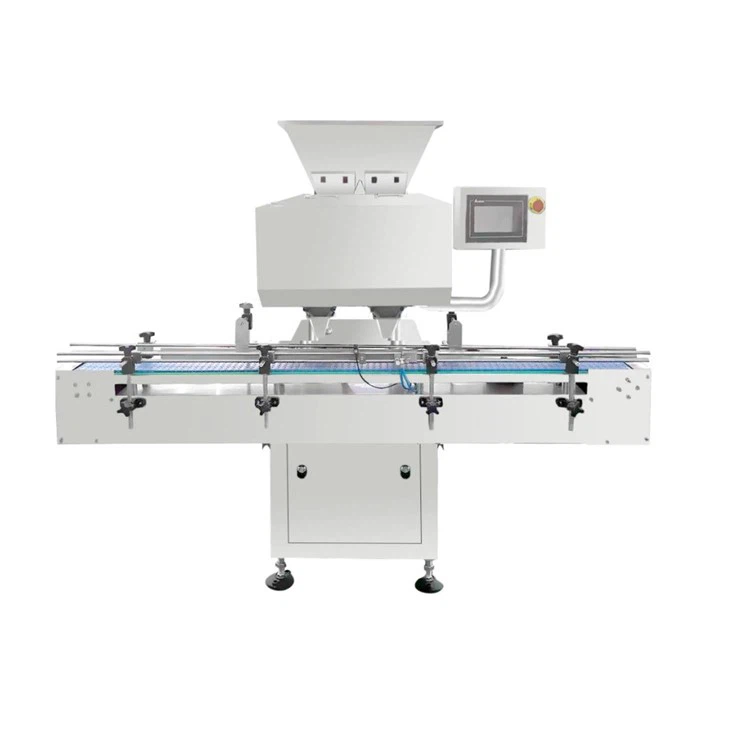
If you're in the pharmaceutical industry, you might also be interested in some of our other products. We offer the 24 Channel Tablet Counting Machine, which is great for accurately counting tablets. Our Single Feeder Semi-auto Capsule Filling Machine is a reliable option for capsule filling. And the NFJ-150 Capsule Polishing Machine can help you polish your capsules to a perfect finish.
Conclusion
Troubleshooting common problems in a column desiccant feeder doesn't have to be a nightmare. By following these steps, you can identify and fix many of the issues that might arise. If you're still having problems after trying these troubleshooting tips, don't hesitate to reach out to us. We're here to help you get your column desiccant feeder up and running smoothly again. Whether you need replacement parts, technical support, or are interested in purchasing a new machine, we're ready to have a chat with you. Let's talk about your needs and find the best solution for your business.
References
- Desiccant Feeder User Manual
- Industry Standards for Desiccant Feeding Systems