

Hey there! As a supplier of locate labeling machines, I've seen firsthand the importance of optimizing their performance. In this blog post, I'll share some tips and tricks that can help you get the most out of your locate labeling machine.
1. Regular Maintenance
Just like any other piece of equipment, a locate labeling machine needs regular maintenance to perform at its best. This includes cleaning the machine regularly to prevent dust and debris from building up, which can affect the accuracy of the labeling. You should also lubricate the moving parts as recommended by the manufacturer to ensure smooth operation.
For example, check the labeling heads regularly. Over time, glue or adhesive residue can accumulate on the heads, causing uneven labeling or misalignment. Use a soft cloth and a suitable cleaning agent to gently wipe the heads clean. This simple step can significantly improve the quality of the labels applied.
2. Calibration
Proper calibration is crucial for accurate labeling. A misaligned or miscalibrated machine can result in labels being placed in the wrong position, which can be a major problem, especially in industries where precision is key.
Most modern locate labeling machines come with calibration tools and instructions. Follow these carefully to ensure that the machine is calibrated correctly. You may need to adjust the settings for label placement, speed, and tension. For instance, if the labels are being applied too close to the edge of the product, you might need to adjust the lateral position settings.
3. Quality of Labels and Adhesives
The quality of the labels and adhesives you use can have a big impact on the performance of your locate labeling machine. Low - quality labels may not feed properly through the machine, leading to jams and misfeeds. Similarly, adhesives that are too weak or too strong can cause problems.
Invest in high - quality labels that are designed for your specific application. Make sure they are the right size, shape, and material for your products. The same goes for adhesives. Choose adhesives that are suitable for the surface of your products and the environmental conditions in which they will be used. For example, if your products are going to be stored in a humid environment, you'll need an adhesive that can withstand moisture.
4. Operator Training
Your machine is only as good as the person operating it. Make sure your operators are well - trained on how to use the locate labeling machine correctly. This includes understanding the control panel, loading labels and products, and troubleshooting common problems.
Provide regular training sessions to keep your operators up - to - date with the latest features and best practices. Encourage them to ask questions and share their experiences. A well - trained operator can not only optimize the performance of the machine but also identify and solve problems quickly, minimizing downtime.
5. Software Updates
If your locate labeling machine is equipped with software, keep it up - to - date. Software updates often include bug fixes, performance improvements, and new features that can enhance the functionality of the machine.
Check with the manufacturer regularly to see if there are any available updates. Install them as soon as possible to ensure that your machine is running at its best. For example, an updated software version might improve the accuracy of label placement or increase the speed of the labeling process.
6. Compatibility with Other Equipment
If your locate labeling machine is part of a larger production line, make sure it is compatible with the other equipment. Incompatible equipment can cause bottlenecks, misalignments, and other issues that can affect the overall performance of the line.
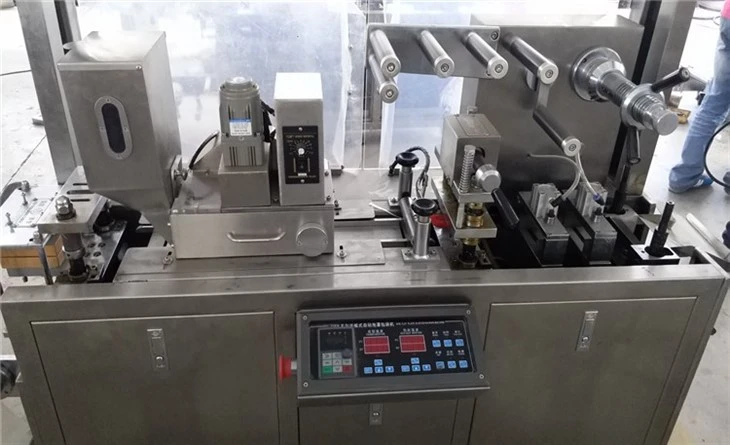

For example, if your labeling machine is supposed to work in conjunction with a Round Bottle Labeling Machine, ensure that the speed and timing of both machines are synchronized. This might require some adjustments to the settings of either machine.
7. Monitor and Analyze Performance
Keep track of the performance of your locate labeling machine over time. This can help you identify trends, such as increasing error rates or decreasing speed, and take corrective action before they become major problems.
Use the built - in monitoring tools of the machine, if available, or implement a simple tracking system. Analyze the data regularly to see where improvements can be made. For instance, if you notice that the machine is experiencing more jams during a particular shift, you can investigate the cause, such as operator error or a problem with the label roll.
8. Upgrading Components
As technology advances, consider upgrading the components of your locate labeling machine. This could include replacing old motors with more energy - efficient ones, upgrading the labeling heads for better accuracy, or adding new sensors for improved detection.
However, before upgrading any components, make sure to consult with the manufacturer or a professional technician. They can help you determine which upgrades are suitable for your machine and how they will impact its performance.
9. Environmental Considerations
The environment in which your locate labeling machine operates can also affect its performance. Extreme temperatures, humidity, and dust can all take a toll on the machine.
Try to keep the machine in a clean, temperature - controlled environment. If possible, install air filters or dehumidifiers to reduce the amount of dust and moisture in the air. This can help prevent premature wear and tear on the machine and ensure consistent performance.
10. Spare Parts Management
Keep a stock of essential spare parts for your locate labeling machine. This can help you minimize downtime in case of a breakdown. Common spare parts include belts, rollers, and labeling heads.
Make sure you know where to source these parts quickly and at a reasonable cost. You can also consider partnering with the manufacturer or a reliable supplier to ensure a steady supply of spare parts.
In conclusion, optimizing the performance of a locate labeling machine requires a combination of regular maintenance, proper calibration, using high - quality materials, well - trained operators, and staying up - to - date with technology. By following these tips, you can ensure that your machine runs smoothly, produces high - quality labels, and meets the demands of your production line.
If you're in the market for a new locate labeling machine or looking to upgrade your existing one, or if you have any questions about optimizing the performance of your current machine, don't hesitate to reach out. We're here to help you make the most of your investment and achieve the best results for your business.
We also offer a range of other packaging machines, such as the Automatic Liquid Filling and Sealing Machine and the DPP - 88 Blister Packing Machine, which can complement your labeling needs. So, whether you're just starting out or looking to expand your production capabilities, we've got you covered. Contact us today to start a discussion about your packaging requirements!
References
- General guidelines on packaging machine maintenance from industry experts.
- Manufacturer's manuals for locate labeling machines.
- Industry research on the impact of environmental factors on machine performance.