

As a seasoned supplier of drug inspection machines, I often encounter inquiries from clients about the service life of these critical pieces of equipment. Understanding the service life of a drug inspection machine is crucial for pharmaceutical manufacturers as it directly impacts production efficiency, cost - effectiveness, and compliance with industry standards. In this blog, I'll delve into the factors that influence the service life of a drug inspection machine and offer insights on how to maximize its longevity.
Factors Affecting the Service Life of a Drug Inspection Machine
1. Quality of Manufacturing
The foundation of a long - lasting drug inspection machine lies in its manufacturing quality. Machines built with high - grade materials and advanced manufacturing processes tend to have a longer service life. For example, components made from corrosion - resistant metals and high - strength plastics can withstand the rigors of continuous operation in a pharmaceutical environment. At our company, we use state - of - the - art manufacturing techniques and source the finest materials to ensure the durability of our Drug Inspection Machine. Our commitment to quality is evident in the precision engineering of each part, which reduces wear and tear over time.
2. Operating Conditions
The environment in which a drug inspection machine operates plays a significant role in determining its service life. Machines used in clean, temperature - and humidity - controlled environments generally last longer than those exposed to harsh conditions. In a pharmaceutical setting, factors such as dust, moisture, and chemical contaminants can accelerate the deterioration of machine components. For instance, excessive humidity can cause rusting of metal parts, while dust can clog sensors and affect the accuracy of inspections. To mitigate these risks, it's essential to install drug inspection machines in well - ventilated, clean rooms and follow strict environmental control protocols.
3. Frequency of Use
The more frequently a drug inspection machine is used, the faster its components will wear out. Continuous operation without proper maintenance can lead to premature failure of critical parts such as motors, sensors, and conveyor belts. However, with proper planning and maintenance, even machines in high - volume production facilities can have a long service life. For example, implementing a regular maintenance schedule that includes lubrication, calibration, and component replacement can help extend the life of the machine. At our company, we offer customized maintenance plans based on the usage frequency of our clients' machines to ensure optimal performance and longevity.
4. Maintenance and Servicing
Regular maintenance is the key to extending the service life of a drug inspection machine. This includes routine cleaning, lubrication, calibration, and replacement of worn - out parts. Neglecting maintenance can lead to a cascade of problems, from decreased inspection accuracy to complete machine breakdown. For example, if the sensors on a drug inspection machine are not calibrated regularly, they may provide inaccurate readings, which can result in non - compliant products. Our company provides comprehensive maintenance and servicing packages for our Drug Inspection Machine, including on - site support and remote monitoring to detect and address issues before they become major problems.
5. Technological Advancements
The rapid pace of technological advancements in the pharmaceutical industry can also impact the service life of a drug inspection machine. As new inspection techniques and standards emerge, older machines may become obsolete. For example, the introduction of more sensitive sensors or advanced imaging technologies may render an existing machine less effective in meeting the latest regulatory requirements. To stay ahead of the curve, pharmaceutical manufacturers may need to upgrade their drug inspection machines periodically. Our company is committed to research and development, continuously improving our products to incorporate the latest technological advancements and ensure that our clients' machines remain competitive in the market.
Estimating the Service Life of a Drug Inspection Machine
On average, a well - maintained drug inspection machine can have a service life of 10 to 15 years. However, this estimate can vary widely depending on the factors mentioned above. Machines used in low - volume production with minimal environmental stress and regular maintenance may last even longer, while those in high - volume, harsh environments may require replacement after 7 to 10 years.
It's important to note that the service life of a drug inspection machine is not just about the physical durability of the equipment. It also encompasses its ability to meet the evolving regulatory requirements and technological standards of the pharmaceutical industry. As such, it's essential for pharmaceutical manufacturers to consider both the short - term and long - term implications of their equipment investment.
Maximizing the Service Life of a Drug Inspection Machine
1. Choose the Right Machine
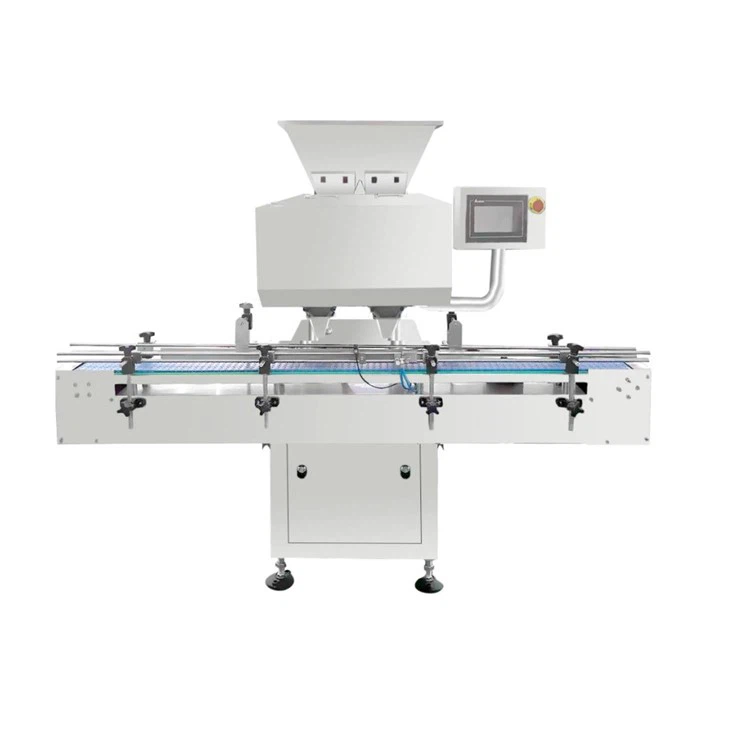
Selecting a drug inspection machine that is suitable for your specific production needs is the first step in maximizing its service life. Consider factors such as production volume, the type of drugs being inspected, and the required inspection accuracy. Our company offers a wide range of Drug Inspection Machines with different features and capabilities to meet the diverse needs of our clients. For example, our Double Feeders Semi - auto Capsule Filling Machine is designed for efficient capsule filling and inspection, while our 24 Channel Tablet Counting Machine is ideal for high - volume tablet counting and inspection.
2. Follow the Manufacturer's Guidelines
Adhering to the manufacturer's operating and maintenance guidelines is crucial for extending the service life of a drug inspection machine. These guidelines provide detailed instructions on how to operate the machine safely and efficiently, as well as how to perform regular maintenance tasks. Our company provides comprehensive user manuals and training programs for our clients to ensure that they are fully aware of how to care for their machines.
3. Invest in Training
Proper training of operators is essential for the correct use and maintenance of a drug inspection machine. Operators should be trained on how to operate the machine, perform basic maintenance tasks, and troubleshoot common problems. Our company offers on - site and online training programs to ensure that our clients' operators are well - equipped to handle our machines effectively.

4. Implement a Predictive Maintenance Program
A predictive maintenance program uses data analytics and condition monitoring techniques to predict when a machine component is likely to fail. By identifying potential problems early, you can schedule maintenance activities in advance, reducing downtime and extending the service life of the machine. Our company offers predictive maintenance solutions for our Drug Inspection Machines, which use sensors and advanced analytics to monitor the performance of the machine and provide real - time alerts when maintenance is required.
Conclusion
The service life of a drug inspection machine is influenced by a variety of factors, including manufacturing quality, operating conditions, frequency of use, maintenance, and technological advancements. By understanding these factors and taking proactive measures to maximize the service life of your machine, you can ensure that your pharmaceutical production process remains efficient, compliant, and cost - effective.
If you're in the market for a new drug inspection machine or looking to extend the service life of your existing equipment, we'd love to hear from you. Our team of experts can provide you with personalized advice and solutions to meet your specific needs. Contact us today to start a conversation about how our Drug Inspection Machines can benefit your business.
References
- Pharmaceutical Engineering Handbook, Third Edition
- Journal of Pharmaceutical Sciences and Technology
- International Society for Pharmaceutical Engineering (ISPE) Guidelines