

In the realm of bath and body product creation, the tools you choose can significantly impact the outcome of your craft. Two commonly encountered items in this space are bath fizzer makers and regular molds. As a trusted bath fizzer maker supplier, I've witnessed firsthand the nuances between these two tools and their respective impacts on the creation process and the final product. In this blog post, I'll delve into the differences between a bath fizzer maker and a regular mold, exploring their features, functions, and ideal use cases.
Design and Structure
One of the most apparent differences between a bath fizzer maker and a regular mold lies in their design and structure. A regular mold is typically a simple, open - top container with a specific shape, such as a heart, star, or round disc. It can be made from various materials like silicone, plastic, or metal. The main purpose of a regular mold is to provide a shape for the material being poured into it. Once the material sets, it takes on the shape of the mold.
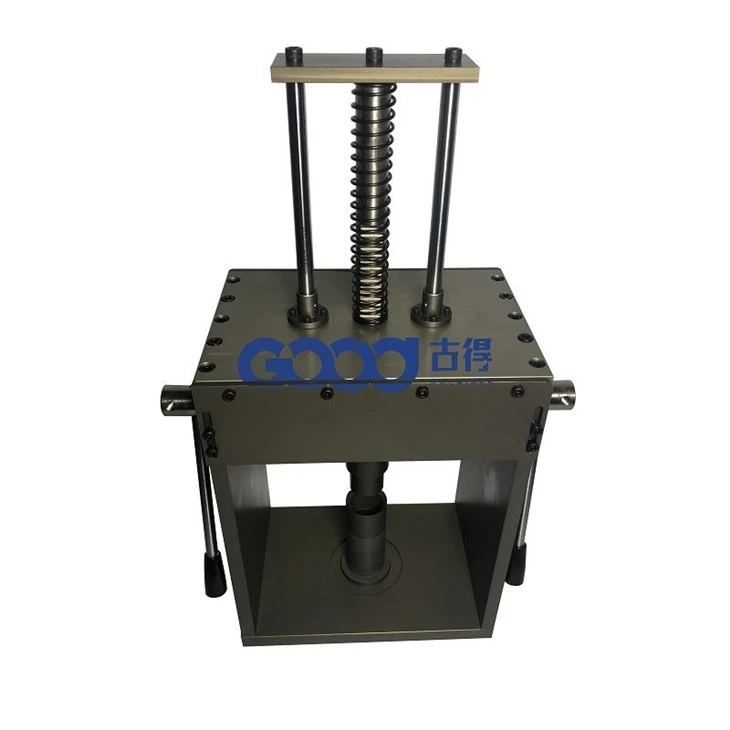
On the other hand, a bath fizzer maker is a more specialized piece of equipment. It is designed specifically for making bath fizzers, also known as bath bombs. These makers often come with a two - part design that allows for the compression of the bath fizzer mixture. The design ensures that the bath fizzer has a consistent shape and density. Some bath fizzer makers are even equipped with features that help in creating intricate patterns or designs on the surface of the bath fizzers. For example, certain high - end bath fizzer makers can create layered bath bombs, which are visually appealing and popular among consumers.
Functionality
The functionality of a bath fizzer maker and a regular mold also differs significantly. A regular mold is mainly used for casting. You simply mix your desired material, such as resin, wax, or soap base, and pour it into the mold. Then, you wait for it to set. This process is relatively straightforward and is suitable for creating a wide range of products, from simple soap bars to decorative wax candles.
A bath fizzer maker, however, is focused on the specific task of making bath fizzers. Bath fizzers are made by combining baking soda, citric acid, essential oils, and other ingredients. The mixture needs to be compressed to form a solid bath fizzer that will dissolve properly in the bathwater. A bath fizzer maker allows you to apply the right amount of pressure to the mixture, ensuring that the bath fizzer holds its shape and has the correct fizzing action when it comes into contact with water.
If you're interested in automating the bath fizzer production process, you might want to check out our Bath Bomb Press Machine. For those who prefer a more hands - on approach, our Manual Bath Bomb Press Machine is a great option.
Material Compatibility
Another important difference is the material compatibility of these two tools. Regular molds can be used with a wide variety of materials. Silicone molds, for instance, are suitable for resin, soap, wax, and chocolate. Plastic molds can also be used for similar materials, although they may not be as flexible as silicone molds. Metal molds are often used for making hard - setting materials like plaster or metal castings.
Bath fizzer makers, on the other hand, are designed specifically for the bath fizzer mixture. The materials used in bath fizzer makers are usually resistant to the acidic nature of the citric acid in the bath fizzer mixture. They are also designed to withstand the pressure applied during the compression process. Using a regular mold for making bath fizzers may not yield the best results, as it may not be able to provide the necessary compression, and the materials may not be compatible with the bath fizzer ingredients.
Product Quality and Consistency
When it comes to the quality and consistency of the final product, a bath fizzer maker has an edge over a regular mold. A bath fizzer maker ensures that each bath fizzer has a consistent shape, size, and density. This is crucial for the performance of the bath fizzers, as a consistent density ensures a uniform fizzing action in the bathwater. The compression provided by the bath fizzer maker also helps in binding the ingredients together, preventing the bath fizzers from crumbling or falling apart easily.
In contrast, using a regular mold for making bath fizzers may result in inconsistent products. The lack of compression can lead to bath fizzers that are too loose and may not dissolve properly in the water. The shape and size of the bath fizzers may also vary, which can affect the overall aesthetic appeal and customer satisfaction.
Production Volume
The production volume is another factor where the difference between a bath fizzer maker and a regular mold becomes evident. If you're making products on a small scale, such as for personal use or as a hobby, a regular mold may be sufficient. You can make a few items at a time and enjoy the creative process.
However, if you're looking to produce bath fizzers on a larger scale, a bath fizzer maker is the better choice. Many bath fizzer makers are designed for high - volume production. They can produce multiple bath fizzers in a short amount of time, making them ideal for businesses. For example, if you're planning to start a bath bomb business, investing in a high - quality bath fizzer maker can significantly increase your production efficiency.

Ease of Use
Regular molds are generally easy to use, especially for beginners. The process of pouring the material into the mold and waiting for it to set is straightforward. Cleaning the molds is also relatively simple, usually requiring just a bit of soap and water.
A bath fizzer maker may seem more complex at first glance. It requires a specific mixing process for the bath fizzer ingredients and the application of pressure. However, with a bit of practice, using a bath fizzer maker can become second nature. Many bath fizzer makers come with detailed instructions, and there are also numerous online resources available to help you get started.
Cost
Cost is an important consideration for anyone looking to purchase these tools. Regular molds are often more affordable, especially if you're buying them in small quantities. You can find basic silicone molds for a few dollars each. This makes them a great option for those on a tight budget or those who are just starting out with crafting.
Bath fizzer makers, on the other hand, can be more expensive. The cost depends on the features, brand, and quality of the maker. However, if you're serious about making bath fizzers, especially for commercial purposes, the investment in a good bath fizzer maker can pay off in the long run. It can improve the quality of your products, increase your production volume, and ultimately, boost your profits.
Other Related Products
In addition to bath fizzer makers, we also offer other useful products for bath and body product creation. For example, our Shampoo Bar Press Machine is a great tool for making shampoo bars. Shampoo bars are becoming increasingly popular due to their eco - friendly nature and convenience. This machine allows you to compress the shampoo bar mixture to create a solid, long - lasting shampoo bar.
Conclusion
In conclusion, while both bath fizzer makers and regular molds have their place in the world of crafting, they serve different purposes. A regular mold is a versatile tool for casting a variety of materials, while a bath fizzer maker is specifically designed for making high - quality bath fizzers. If you're interested in starting a bath bomb business or simply want to make professional - looking bath fizzers at home, a bath fizzer maker is the way to go.
If you're considering purchasing a bath fizzer maker or any of our other products, we'd love to have a discussion with you. Our team of experts can provide you with detailed information about our products and help you choose the right tool for your needs. Contact us to start a procurement discussion and take your bath and body product creation to the next level.
References
- "The Art of Bath Bomb Making" by Bath & Body Crafts Magazine
- "Handmade Soap and Bath Products" by Crafting World Publications
- Industry reports on bath and body product manufacturing trends.