

As a seasoned supplier of automatic cotton inserters, I've witnessed firsthand the dynamic interplay between domestic and imported models in the market. In this blog, I'll delve into the key differences between these two categories, offering insights that can guide your purchasing decisions.
1. Price
One of the most immediate differences between domestic and imported automatic cotton inserters is the price. Domestic machines generally come with a more budget - friendly price tag. This is mainly due to lower manufacturing costs, including labor, raw materials, and overheads. For small and medium - sized enterprises with limited capital, domestic automatic cotton inserters can be an attractive option. They offer a cost - effective solution to meet basic production needs without breaking the bank.
On the other hand, imported automatic cotton inserters are often more expensive. The high price is associated with factors such as advanced R & D costs, high - quality materials, and strict manufacturing standards in the countries of origin. These machines are typically targeted at large - scale manufacturers who are willing to invest more for top - notch performance and reliability.
2. Technology and Innovation
In terms of technology and innovation, imported automatic cotton inserters have long held a reputation for being at the forefront. Many foreign manufacturers invest heavily in research and development, constantly pushing the boundaries of what these machines can do. They often incorporate the latest technologies, such as advanced sensor systems, intelligent control algorithms, and high - precision mechanical components. This results in machines that can achieve higher levels of automation, accuracy, and efficiency. For example, some imported models can adjust the cotton insertion speed and amount in real - time based on the product requirements, minimizing waste and improving product quality.
Domestic manufacturers, however, have been making significant strides in recent years. With the development of the domestic manufacturing industry and the improvement of technological capabilities, many domestic automatic cotton inserters now feature advanced functions similar to their imported counterparts. Some domestic companies have also established their own R & D teams to develop innovative solutions tailored to the local market. While there may still be a gap in overall technological sophistication, the difference is gradually narrowing.
3. Quality and Durability
Imported automatic cotton inserters are generally perceived to have higher quality and better durability. Manufacturers in developed countries often adhere to strict quality control standards throughout the production process. They use high - grade materials and advanced manufacturing techniques, which ensure that the machines can withstand long - term and heavy - duty use. The components are carefully selected and tested to guarantee stable performance and a long service life.
Domestic products have also improved their quality significantly. Many domestic manufacturers have introduced international - level quality management systems and are committed to using high - quality materials. However, due to differences in manufacturing processes and material sourcing, there may still be some variability in quality among domestic brands. It is important for buyers to choose reliable domestic suppliers with a good reputation to ensure they get a high - quality machine.
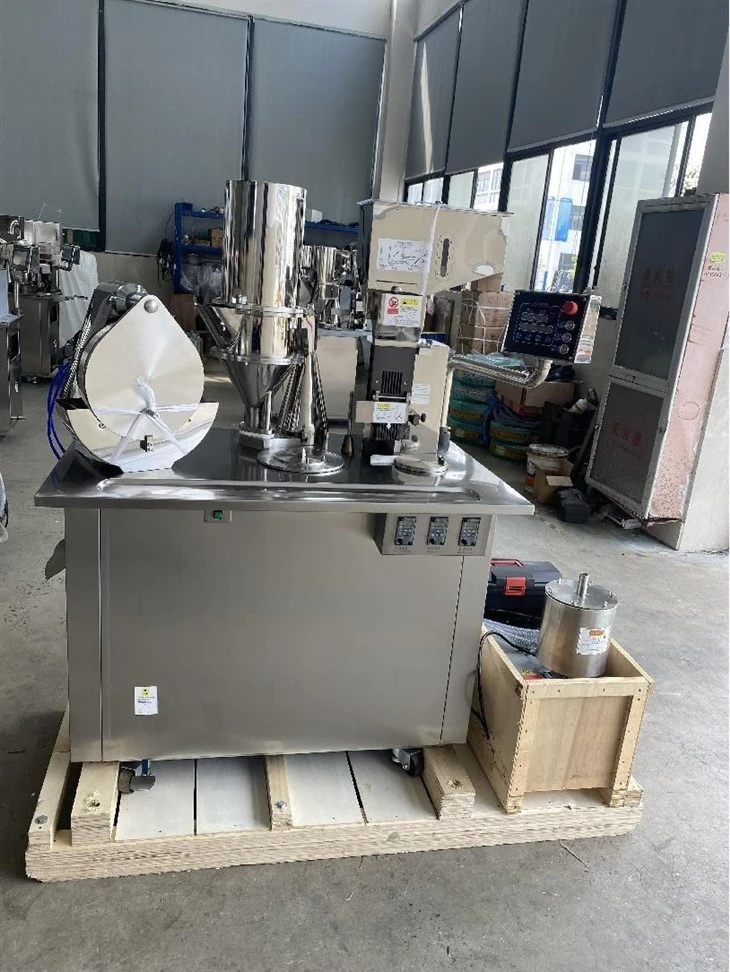

4. After - sales Service
When it comes to after - sales service, domestic suppliers have a natural advantage. They are closer to the customers, which means they can respond more quickly to maintenance requests and provide on - site support in a shorter time. Domestic suppliers also understand the local market and customer needs better, and can offer more personalized after - sales services, such as customized training programs and timely supply of spare parts.
Imported suppliers, on the other hand, may face challenges in providing prompt after - sales service. The distance between the manufacturer and the customer can lead to longer response times and higher costs for on - site maintenance. However, some large - scale imported machine suppliers have established local service centers in major markets to address these issues.
5. Customization Capability
Domestic automatic cotton inserter suppliers are often more flexible in terms of customization. They can better understand the specific needs of local customers and are willing to make adjustments to the machine design and functions according to the customer's requirements. This is particularly beneficial for small and medium - sized enterprises that have unique production processes or product specifications. For example, a domestic supplier may be able to modify the cotton insertion mechanism to fit a special product shape or size.
Imported suppliers may have more standardized product lines, and while they can offer some degree of customization, the process may be more complex and time - consuming. The communication barriers and differences in business cultures can also make it more difficult to achieve the desired level of customization.
Related Products
If you are also interested in other pharmaceutical machines, you might want to check out our Semi - auto Capsule Filling Machine and Column Desiccant Feeder. These products are also designed with high - quality standards and innovative features to meet your production needs. Another option is our Semi - auto Capsule Filling Machine, which offers a reliable and efficient solution for capsule filling.
Conclusion
In conclusion, both domestic and imported automatic cotton inserters have their own advantages and disadvantages. When choosing a machine, you need to consider your specific requirements, budget, production scale, and after - sales service needs. If you are on a tight budget and need a machine with basic functions, a domestic automatic cotton inserter may be the right choice. On the other hand, if you require high - end technology, top - notch quality, and are willing to invest more, an imported machine could be more suitable.
We understand that making the right purchasing decision can be challenging. That's why our team of experts is here to assist you. Whether you have questions about the differences between domestic and imported machines, or need advice on choosing the most suitable automatic cotton inserter for your business, we are ready to help. Contact us today to start a discussion about your purchasing needs and let us find the perfect solution for you.
References
- Industry reports on automatic cotton inserters
- Interviews with domestic and imported automatic cotton inserter manufacturers
- Market research on the pharmaceutical machinery industry