

Hey there! I'm a supplier of drug inspection machines, and I often get asked if these machines require a special operating environment. Well, let's dive right into this topic and find out.
First off, drug inspection machines are pretty high - tech wonders. They're designed to accurately detect all sorts of things in drugs, like impurities, incorrect dosages, and even issues with the packaging. Given their high - tech nature and the importance of the job they do, you bet they need a certain kind of environment to work their best.
Temperature and Humidity
One of the most critical factors is temperature. Most drug inspection machines work optimally within a specific temperature range. If it's too hot, the internal components of the machine can overheat. This might cause the sensors to malfunction or the electronic circuits to short - circuit. Just like when you're running a marathon on a scorching day, your body might not perform as well as on a mild day.
On the flip side, if it's too cold, the machine's parts can become brittle. Liquids used in some inspection processes might thicken, affecting the accuracy of the results. Generally, a temperature range of around 20 - 25 degrees Celsius is ideal for most drug inspection machines.
Humidity is another key player. High humidity can lead to moisture build - up inside the machine. This can corrode the metal parts, damage the electrical components, and even affect the samples being inspected. For example, if a drug sample absorbs too much moisture in a high - humidity environment, it can alter the test results. On average, a relative humidity of 40 - 60% is recommended.
Dust and Particles
The environment where a drug inspection machine operates should also be relatively dust - free. Dust particles can settle on the sensitive sensors and optical components of the machine. These particles can block the light paths in optical inspection systems, leading to inaccurate readings. They can also clog the air filters in the machine, reducing its efficiency and potentially causing overheating.
To keep the dust levels in check, it's a good idea to have the machine installed in a cleanroom or a well - ventilated area with proper air filtration systems. This helps to ensure that the machine is performing at its peak and that the drug inspection results are reliable.
Electrical Stability
A stable power supply is crucial. Drug inspection machines are full of sophisticated electronics that need a consistent electrical current to function correctly. Frequent power surges or voltage fluctuations can damage the internal circuits of the machine. It can cause data loss, sensor failures, or even permanent damage to the main control board.
To avoid these issues, it's recommended to use a voltage stabilizer or an uninterruptible power supply (UPS). A UPS can provide a temporary power source in case of a sudden power outage, allowing you to safely shut down the machine and prevent any data loss.
Vibration and Noise
Believe it or not, vibration and noise can also impact the performance of drug inspection machines. Excessive vibration can cause misalignment of the machine's components, especially in high - precision devices. This can lead to inaccurate measurements and reduced inspection quality.
Similarly, high levels of noise can interfere with the acoustic sensors that some machines use. For example, if a machine is using ultrasound to detect internal flaws in drug capsules, background noise can distort the signals and make it difficult to get accurate results.
To minimize the effects of vibration and noise, the machine should be installed on a stable surface and in an area with low noise levels. If possible, use vibration - isolating pads or mounts to further reduce the impact of vibrations.
Impact on Other Related Machines
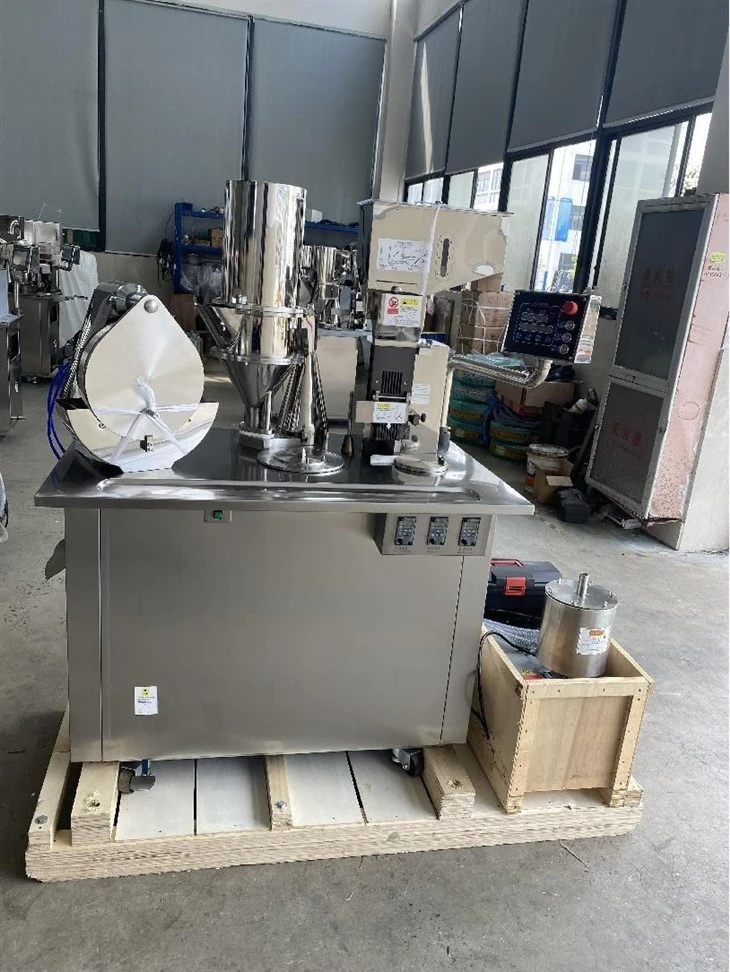
Now, if you're running a pharmaceutical production line, the drug inspection machine is just one part of the equation. Other machines like the Desiccant Bag Feeder, Semi - auto Capsule Filling Machine, and NJP - 1200 Automatic Capsule Filling Machine also need to work in harmony with the inspection machine.
The operating environment requirements of these machines can sometimes overlap. For example, all of them benefit from a stable temperature and humidity environment. If the environment isn't suitable for the drug inspection machine, it can also affect the performance of these other machines. This can lead to a drop in overall production efficiency and product quality.

So, What Should You Do?
If you're thinking about purchasing a drug inspection machine, you need to plan ahead for the operating environment. Before installation, assess the area where you want to place the machine. Check the temperature, humidity, dust levels, and electrical stability. Make any necessary adjustments like installing an air - conditioning unit, a dehumidifier, or a dust - extraction system.
Time to Talk Business
If you're in the market for a top - notch drug inspection machine, I'd love to have a chat with you. We've got a wide range of machines that can meet your specific needs. Whether you're a small - scale pharmaceutical producer or a large - scale manufacturer, we've got something for you. Don't hesitate to reach out and start a discussion about your requirements. We're here to help you make the best choice for your business.
References
- Pharmaceutical Machinery Handbook: Covers general knowledge about pharmaceutical machines and their operating requirements.
- Industry standards for drug inspection machine manufacturing: Provide guidelines on optimal operating conditions.