

As a supplier of desiccant bag feeders, I often get asked about the potential applications of our equipment in various industries. One question that has come up frequently is whether a desiccant bag feeder can be used in the textile - manufacturing industry. In this blog post, I'll explore this topic in depth and provide insights based on our experience and industry knowledge.
The Role of Desiccants in Textile Manufacturing
Textiles are highly susceptible to moisture damage. Moisture can lead to a variety of problems, such as the growth of mold and mildew, which not only deteriorates the quality of the fabric but also poses health risks. It can also cause color fading, weakening of fibers, and changes in the texture of the textile.
Desiccants play a crucial role in preventing these issues by absorbing excess moisture from the surrounding environment. By keeping the humidity levels in check, desiccants help maintain the integrity and quality of textiles throughout the manufacturing, storage, and transportation processes.
How a Desiccant Bag Feeder Works
Before delving into its application in the textile industry, it's important to understand how a desiccant bag feeder operates. A desiccant bag feeder is a machine designed to automate the process of dispensing desiccant bags. It can accurately measure and place the appropriate number of desiccant bags into packages or containers at a high speed.
The feeder typically consists of a hopper where the desiccant bags are stored, a feeding mechanism that transports the bags, and a control system that regulates the dispensing process. This automation not only increases efficiency but also ensures consistency in the amount of desiccant used, reducing the risk of human error.
Advantages of Using a Desiccant Bag Feeder in Textile Manufacturing
1. Improved Efficiency
In a large - scale textile manufacturing facility, manual placement of desiccant bags can be a time - consuming and labor - intensive task. A desiccant bag feeder can significantly speed up this process, allowing for a higher volume of textiles to be processed in a shorter period. This increased efficiency can lead to cost savings in terms of labor and production time.
2. Consistent Quality
Manual placement of desiccant bags may result in uneven distribution of desiccants, which can lead to inconsistent moisture protection. A desiccant bag feeder ensures that each package or container receives the same number of desiccant bags, providing uniform moisture control throughout the textile products. This consistency helps maintain the high - quality standards of the textiles.
3. Reduced Contamination
In a textile manufacturing environment, there is a risk of contamination from human contact. Using a desiccant bag feeder minimizes the need for direct human handling of desiccant bags, reducing the chances of introducing contaminants such as dirt, oils, or bacteria to the textiles. This is particularly important for high - end or sensitive textile products.
4. Customization
Desiccant bag feeders can be customized to meet the specific needs of textile manufacturers. For example, they can be adjusted to dispense different sizes and types of desiccant bags, depending on the moisture requirements of the textiles and the packaging specifications.
Challenges and Considerations
While there are many advantages to using a desiccant bag feeder in the textile industry, there are also some challenges and considerations that need to be addressed.
1. Compatibility with Textile Packaging
The desiccant bag feeder needs to be compatible with the packaging systems used in textile manufacturing. Different textiles may be packaged in various ways, such as boxes, bags, or rolls. The feeder must be able to work seamlessly with these different packaging formats to ensure efficient and accurate desiccant bag placement.
2. Environmental Conditions
Textile manufacturing facilities may have specific environmental conditions, such as high humidity or temperature variations. These conditions can affect the performance of the desiccant bag feeder and the effectiveness of the desiccants. It's important to choose a feeder and desiccants that are suitable for the specific environmental conditions of the manufacturing plant.
3. Maintenance and Training
Like any industrial machine, a desiccant bag feeder requires regular maintenance to ensure optimal performance. Textile manufacturers need to have a maintenance plan in place and provide training to their staff on how to operate and maintain the feeder properly. This will help prevent breakdowns and ensure the longevity of the equipment.
Real - World Examples and Case Studies
There are already some textile manufacturers that have successfully integrated desiccant bag feeders into their production processes. For instance, a large - scale textile exporter was facing issues with mold growth on their products during long - distance shipping. By implementing a desiccant bag feeder, they were able to ensure that each shipment of textiles was properly protected with desiccant bags. This not only reduced the number of returns due to moisture damage but also improved their reputation in the international market.
Another example is a high - end textile brand that was concerned about maintaining the quality of their luxury fabrics. They used a desiccant bag feeder to place desiccant bags in each individual garment package. This helped preserve the softness, color, and texture of the fabrics, meeting the high - quality standards expected by their customers.
Related Equipment in the Industry
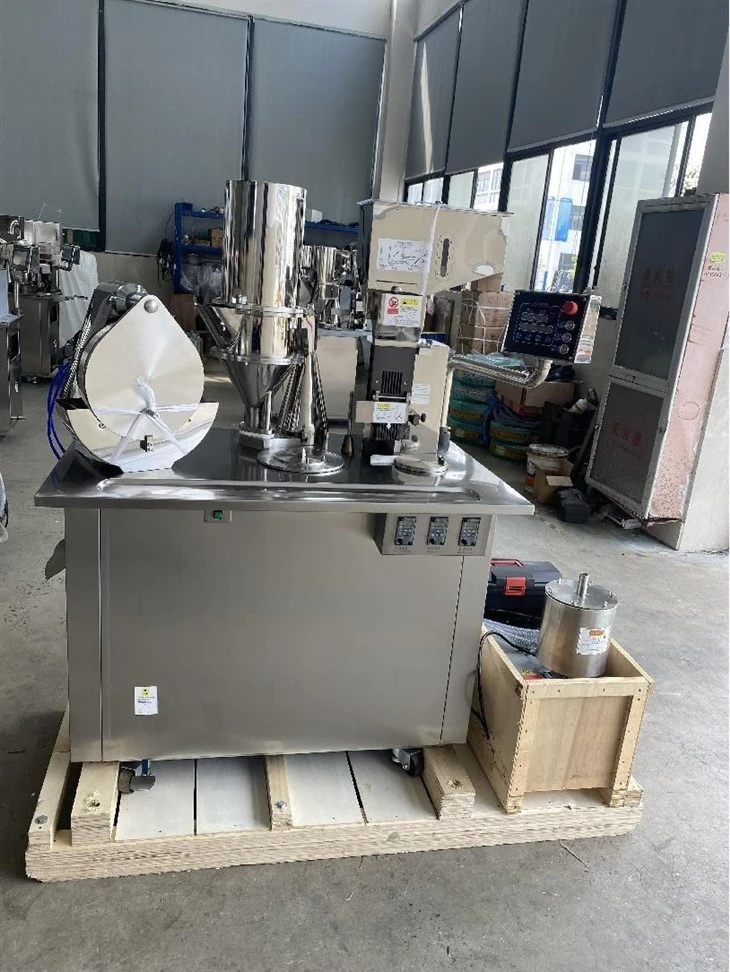
In addition to desiccant bag feeders, there are other types of equipment that are relevant to the textile and manufacturing industries. For example, the Rotate Tablet Press Machine is commonly used in the pharmaceutical industry for tablet production, but its principles of automation and precision can also offer insights for improving manufacturing processes in other sectors. Similarly, the Semi - auto Capsule Filling Machine and Semi - auto Capsule Filling Machine showcase the importance of accurate and efficient filling processes, which are also relevant to the placement of desiccant bags in textile manufacturing.

Conclusion
In conclusion, a desiccant bag feeder can be a valuable asset in the textile - manufacturing industry. It offers numerous benefits, including improved efficiency, consistent quality, reduced contamination, and customization. However, textile manufacturers need to carefully consider the compatibility with their packaging systems, environmental conditions, and maintenance requirements.
If you are a textile manufacturer looking to enhance your moisture control processes, I encourage you to explore the potential of using a desiccant bag feeder. Our company has extensive experience in providing desiccant bag feeders that are tailored to the specific needs of different industries, including textiles. We would be more than happy to discuss your requirements and provide a solution that meets your business goals. Contact us to start a conversation about how our desiccant bag feeders can revolutionize your textile manufacturing operations.
References
- "Textile Preservation and Moisture Control" - Journal of Textile Science
- "Automation in Industrial Manufacturing: Benefits and Challenges" - Industrial Engineering Review