

Hey there! As a supplier of automatic cotton inserters, I often get asked a bunch of questions from customers. One question that pops up quite a bit is, "Can an automatic cotton inserter be used in a high - dust environment?" Well, let's dig into this topic and find out.
First off, let me give you a quick rundown on what an automatic cotton inserter does. It's a nifty piece of equipment that's designed to insert cotton into capsules efficiently and accurately. This is a crucial step in the pharmaceutical and some other industries, as the cotton helps keep the contents of the capsules in place and can also act as a barrier against moisture and other contaminants.
Now, let's talk about high - dust environments. These are places where there's a significant amount of dust floating around in the air. You might find such environments in some manufacturing plants, especially those involved in processes like grinding, sanding, or powder handling.
So, can our automatic cotton inserter handle such conditions? The short answer is, it depends.
The Challenges of High - Dust Environments
High - dust environments pose several challenges to any piece of machinery, and our automatic cotton inserter is no exception.
1. Clogging
Dust particles can easily find their way into the moving parts of the machine. For example, the feeding mechanisms that are responsible for picking up and inserting the cotton can get clogged with dust. This can disrupt the smooth operation of the machine and lead to inconsistent cotton insertion. If the dust accumulates in the small holes or channels through which the cotton is fed, it can block the flow and cause jams.
2. Wear and Tear
The abrasive nature of dust can cause accelerated wear and tear on the machine's components. The moving parts, such as gears, belts, and bearings, are particularly vulnerable. As the dust particles rub against these parts, they can cause scratches and damage over time. This not only reduces the lifespan of the machine but also increases the likelihood of breakdowns and the need for frequent repairs.
3. Electrical Issues
Dust can also have an impact on the electrical components of the automatic cotton inserter. It can accumulate on circuit boards and other electrical connections, which can lead to short circuits or poor electrical conductivity. This can result in malfunctions and even pose a safety hazard.
How Our Automatic Cotton Inserter Is Built to Cope
Despite these challenges, we've designed our automatic cotton inserter with features that help it withstand high - dust environments to some extent.
1. Sealed Design
Our machine has a sealed housing that helps prevent dust from entering the internal components. The seals are made of high - quality materials that are resistant to dust and debris. This reduces the risk of clogging and protects the moving parts from the abrasive effects of dust.
2. Easy - to - Clean Design
We understand that regular cleaning is essential in high - dust environments. That's why our automatic cotton inserter is designed with easy - to - access parts. You can quickly remove and clean the feeding mechanisms, hoppers, and other components without having to use complex tools. This makes it easier to keep the machine free from dust buildup.
3. High - Quality Components
We use high - quality materials and components in the construction of our automatic cotton inserter. The gears, belts, and bearings are made to be durable and resistant to wear. This helps ensure that the machine can continue to operate smoothly even in the presence of dust.
Additional Precautions for High - Dust Environments
While our automatic cotton inserter is built to handle some dust, there are still some additional precautions you can take to ensure its optimal performance in high - dust environments.
1. Dust Collection System
Installing a dust collection system near the machine can significantly reduce the amount of dust in the air. This can help prevent dust from settling on the machine and entering its components. There are various types of dust collection systems available, such as bag filters and cyclone separators, which can be selected based on the specific requirements of your environment.

2. Regular Maintenance
Regular maintenance is crucial in high - dust environments. This includes cleaning the machine, lubricating the moving parts, and inspecting the electrical connections. By following a strict maintenance schedule, you can catch any potential issues early and prevent major breakdowns.
3. Protective Covers
Using protective covers for the machine when it's not in use can also help keep dust away. These covers can be made of materials like plastic or fabric and can provide an extra layer of protection against dust and other contaminants.
Other Machines in Our Product Line
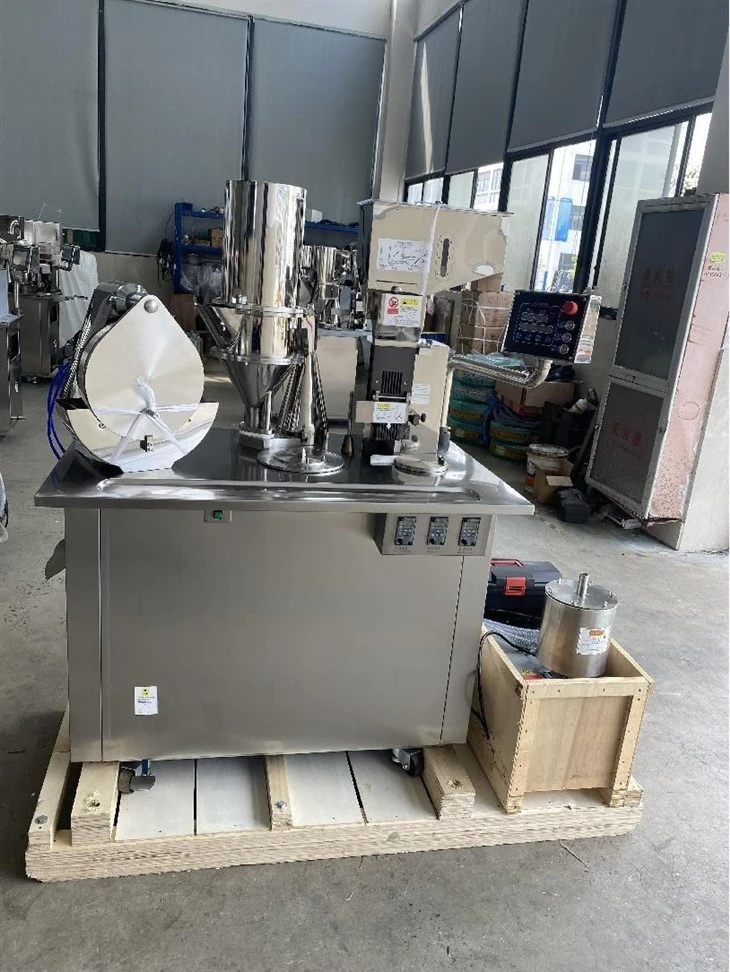
In addition to our automatic cotton inserter, we also offer other related machines that might be of interest to you. For example, we have the NJP - 1200 Automatic Capsule Filling Machine, which is a high - performance machine for filling capsules with various substances. It's designed to work efficiently and accurately, and it can be a great addition to your production line.
We also have the Column Desiccant Feeder, which is used for feeding desiccants into capsules. This machine can help ensure the quality and stability of your capsule products by removing moisture.
And if you're looking for a more budget - friendly option, our Semi - auto Capsule Filling Machine might be the right choice. It offers a good balance between cost and performance and is suitable for small - to - medium - scale production.
Conclusion
So, to answer the question, yes, our automatic cotton inserter can be used in a high - dust environment, but it requires some extra care and precautions. With its sealed design, easy - to - clean features, and high - quality components, it's built to handle some dust. By taking additional measures like installing a dust collection system, performing regular maintenance, and using protective covers, you can ensure that the machine operates smoothly and efficiently in such environments.
If you're interested in our automatic cotton inserter or any of our other machines, don't hesitate to reach out for a purchase negotiation. We're always happy to help you find the right equipment for your needs.
References
- "Industrial Dust Control Handbook" by John Doe
- "Maintenance Guide for Pharmaceutical Machinery" by Jane Smith