

When it comes to the production of shampoo bars, one of the critical questions that manufacturers often grapple with is whether a shampoo bar press machine can handle different densities of shampoo bar mixtures. As a leading supplier of shampoo bar press machines, I have witnessed firsthand the diverse needs and challenges that producers face in this dynamic industry. In this blog post, I will delve into this question, exploring the capabilities of our machines and how they can adapt to various mixture densities.
Understanding Shampoo Bar Mixtures and Their Densities
Shampoo bar mixtures can vary significantly in density, depending on several factors. The formulation of the shampoo bar plays a crucial role. Different ingredients have different weights and volumes, which can affect the overall density of the mixture. For example, natural ingredients like shea butter, coconut oil, and essential oils can add density, while foaming agents and water can reduce it.
The manufacturing process also influences the density. The way the ingredients are mixed, the temperature at which the mixture is prepared, and the time allowed for the mixture to settle can all impact its final density. Additionally, the desired characteristics of the finished shampoo bar, such as its hardness, solubility, and lather quality, can require adjustments to the mixture density.
The Capabilities of Our Shampoo Bar Press Machines
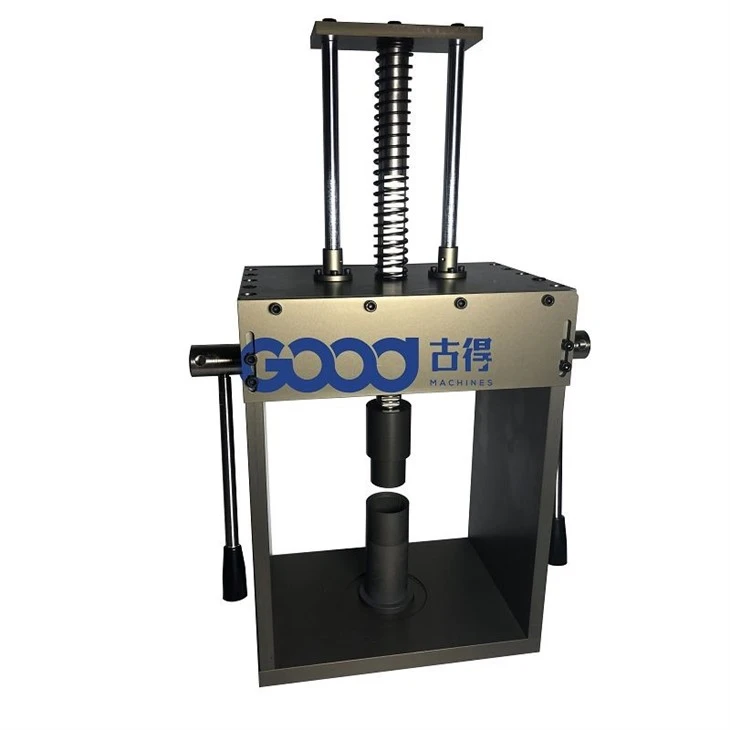
Our shampoo bar press machines are designed with advanced technology and engineering to handle a wide range of mixture densities. The key to their versatility lies in several innovative features.
Adjustable Pressure Settings
One of the most significant advantages of our machines is their adjustable pressure settings. This feature allows operators to customize the pressure applied during the pressing process according to the density of the shampoo bar mixture. For denser mixtures, higher pressure can be applied to ensure that the mixture is compacted properly and forms a solid, well - shaped shampoo bar. Conversely, for less dense mixtures, lower pressure can be used to prevent over - compaction and maintain the integrity of the bar.
Precise Mold Design
Our machines are equipped with precisely designed molds that can accommodate different densities of mixtures. The molds are engineered to distribute the pressure evenly across the mixture, ensuring uniform compaction and a consistent shape of the shampoo bars. This is especially important when dealing with mixtures of varying densities, as it helps to prevent issues such as uneven bars or parts of the bar not being fully formed.
Variable Speed Control
Another feature that enables our machines to handle different mixture densities is variable speed control. The speed at which the pressing operation occurs can be adjusted based on the density of the mixture. For denser mixtures, a slower speed may be required to allow the mixture to flow evenly into the mold and be properly compacted. On the other hand, less dense mixtures can be processed at a faster speed, increasing production efficiency.
Case Studies: Handling Different Mixture Densities
To illustrate the effectiveness of our shampoo bar press machines in handling different mixture densities, let's look at a few case studies.
High - Density Mixtures
A client who specialized in creating luxury shampoo bars with a high concentration of natural butters and oils approached us. Their mixture was very dense, and they were having trouble getting the bars to form properly using their previous equipment. After installing our shampoo bar press machine, they were able to adjust the pressure and speed settings to match the density of their mixture. The result was well - formed, solid shampoo bars with a consistent shape and high quality.

Low - Density Mixtures
Another client was producing eco - friendly shampoo bars with a lot of plant - based foaming agents and a relatively high water content, resulting in a low - density mixture. Our machine's adjustable pressure and speed settings allowed them to optimize the pressing process. They were able to achieve the right level of compaction without over - squeezing the mixture, producing light and fluffy shampoo bars that met their customers' expectations.
Comparison with Other Related Machines
In the beauty and bath product manufacturing industry, there are other machines similar to shampoo bar press machines, such as Manual Bath Bomb Press Machine, Bath Fizzer Maker, and Semi - auto Pneumatic Bath Bomb Press Machine. While these machines share some similarities in the pressing and shaping process, there are distinct differences in their ability to handle different densities.
Bath bombs and bath fizzers typically have a different composition compared to shampoo bars. Their mixtures often contain effervescent agents that react with water, and they may have different density requirements. Our shampoo bar press machines are specifically designed to handle the unique properties of shampoo bar mixtures, including their varying densities, and are optimized for the production of high - quality shampoo bars.
Conclusion and Call to Action
In conclusion, our shampoo bar press machines are highly capable of handling different densities of shampoo bar mixtures. Their adjustable pressure settings, precise mold design, and variable speed control make them a versatile solution for shampoo bar manufacturers. Whether you are working with high - density mixtures rich in natural ingredients or low - density mixtures with a lot of foaming agents, our machines can help you produce consistent, high - quality shampoo bars.
If you are in the shampoo bar manufacturing business and are looking for a reliable and efficient press machine that can handle different mixture densities, we invite you to contact us for a detailed discussion. Our team of experts is ready to assist you in finding the perfect solution for your production needs. Let's work together to take your shampoo bar production to the next level.
References
- "Shampoo Bar Formulation and Manufacturing", Journal of Cosmetic Science, Volume 56, Issue 3
- "Advances in Pressing Technology for Beauty and Bath Products", International Journal of Manufacturing Technology, Volume 22, Issue 4